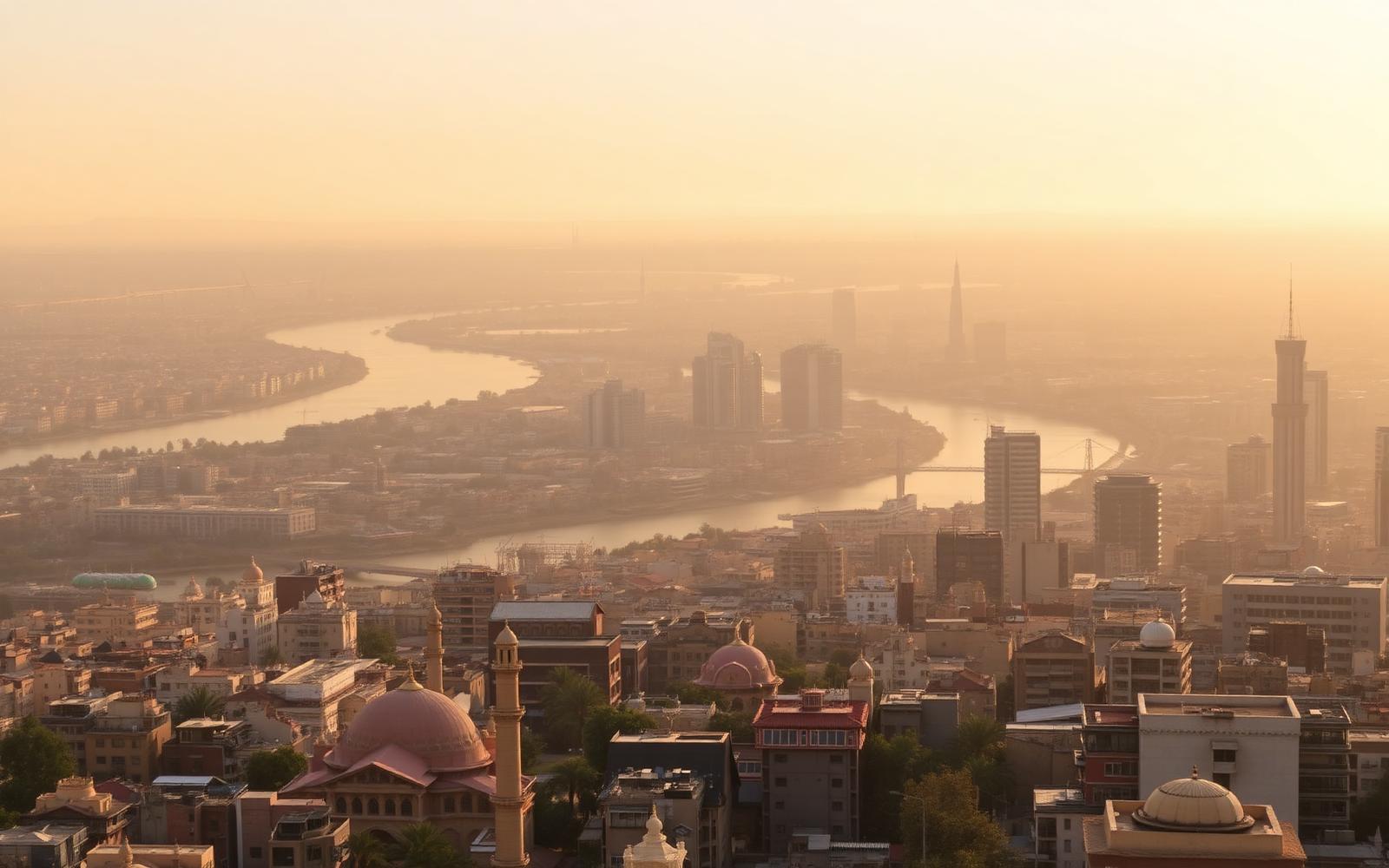
Downtown & Tahrir
The nineteenth-century European-styled core: wide boulevards, faded grand facades, street cafés, bookshops and constant crowds, with the Egyptian Museum at its edge on Tahrir Square.
The best-connected area in the city: two metro lines meet at Sadat under Tahrir, and taxis are everywhere — but Giza and the pyramids are still a long drive west.
Best for: a first visit that wants to walk, use the metro and stay cheap. Strength: central position, real street life and the lowest transport bill. Watch out for: noise at all hours, heavy traffic, uneven pavements and older buildings with tired rooms.
Zamalek
A leafy island district in the Nile: embassies, galleries, older apartment blocks with high ceilings, quieter streets and the calmest walking in central Cairo.
Off the metro network, so taxis and ride-hailing are the default, but the bridges put Downtown minutes away outside rush hour.
Best for: a longer stay, or a first visit that wants quiet at night. Strength: green streets, cafés, the river and a genuine sense of calm. Watch out for: higher rents and room rates, no metro station, and less of the street energy people come to Cairo for.
Garden City & the Nile corniche
Curving shaded streets of early-twentieth-century villas and embassies immediately south of Tahrir, opening onto the river and the big riverside hotels.
A ten-to-twenty-minute walk to the Tahrir metro interchange depending on where you sleep, with taxis and river-side roads for everything else.
Best for: staying central without Downtown's noise. Strength: the river, quieter nights and a short walk to the Egyptian Museum. Watch out for: little in the way of ordinary shops or cheap food, and a street plan that is genuinely confusing on foot.
Islamic Cairo & Khan el-Khalili
A thousand years of mosques, madrasas, gates and caravanserais packed into narrow lanes around the Khan el-Khalili bazaar and al-Muizz street — the densest historic fabric in the city.
Not on the metro: reached by taxi from Downtown in fifteen to thirty minutes, and best explored entirely on foot once you arrive.
Best for: a day, and for travellers who want the historic city rather than a comfortable base. Strength: unmatched architecture, street food and atmosphere. Watch out for: crowds, persistent selling, very limited step-free access and few restful places to sleep.
Giza, Dokki & Mohandessin — the west bank
The other side of the river: ordinary residential Cairo in Dokki and Mohandessin, and further west the Giza approach roads, where hotels sell a pyramid view rather than a neighbourhood.
Dokki and Giza sit on the metro's second line, but the plateau itself and the Grand Egyptian Museum are a further taxi ride beyond the last useful station — this is a separate part of Greater Cairo, not a walk from Downtown.
Best for: an early pyramid morning, or a longer stay at lower rents. Strength: proximity to Giza and the Grand Egyptian Museum, and ordinary local prices in Dokki. Watch out for: a long crossing to the historic city, heavy bridge traffic, and pyramid-view hotels that charge for the view and little else.
Heliopolis & Nasr City
North-east Cairo: early-twentieth-century Heliopolis with its arcaded streets, and the wide grid of Nasr City behind it, both fully residential and working districts.
The closest ordinary districts to Cairo International Airport, served by the newer metro line and its extensions, but forty minutes or more from Downtown at busy times.
Best for: an early flight, a work posting or a longer local stay. Strength: airport access, everyday prices and space. Watch out for: distance from everything a visitor came to see, and evenings that offer local life rather than sights.
Maadi & New Cairo
Where long-stay foreigners and better-off families actually live: tree-lined Maadi by the river in the south, and the new-build compounds, malls and campuses of New Cairo out east.
Maadi sits on the metro's first line and is a straight run into Downtown; New Cairo is off the network entirely and effectively requires a car or daily ride-hailing.
Best for: months rather than days, with children or with work. Strength: quiet, greenery, international schools and reliable services. Watch out for: prices set in a partly international market, long journeys to the historic city, and almost nothing of old Cairo nearby.