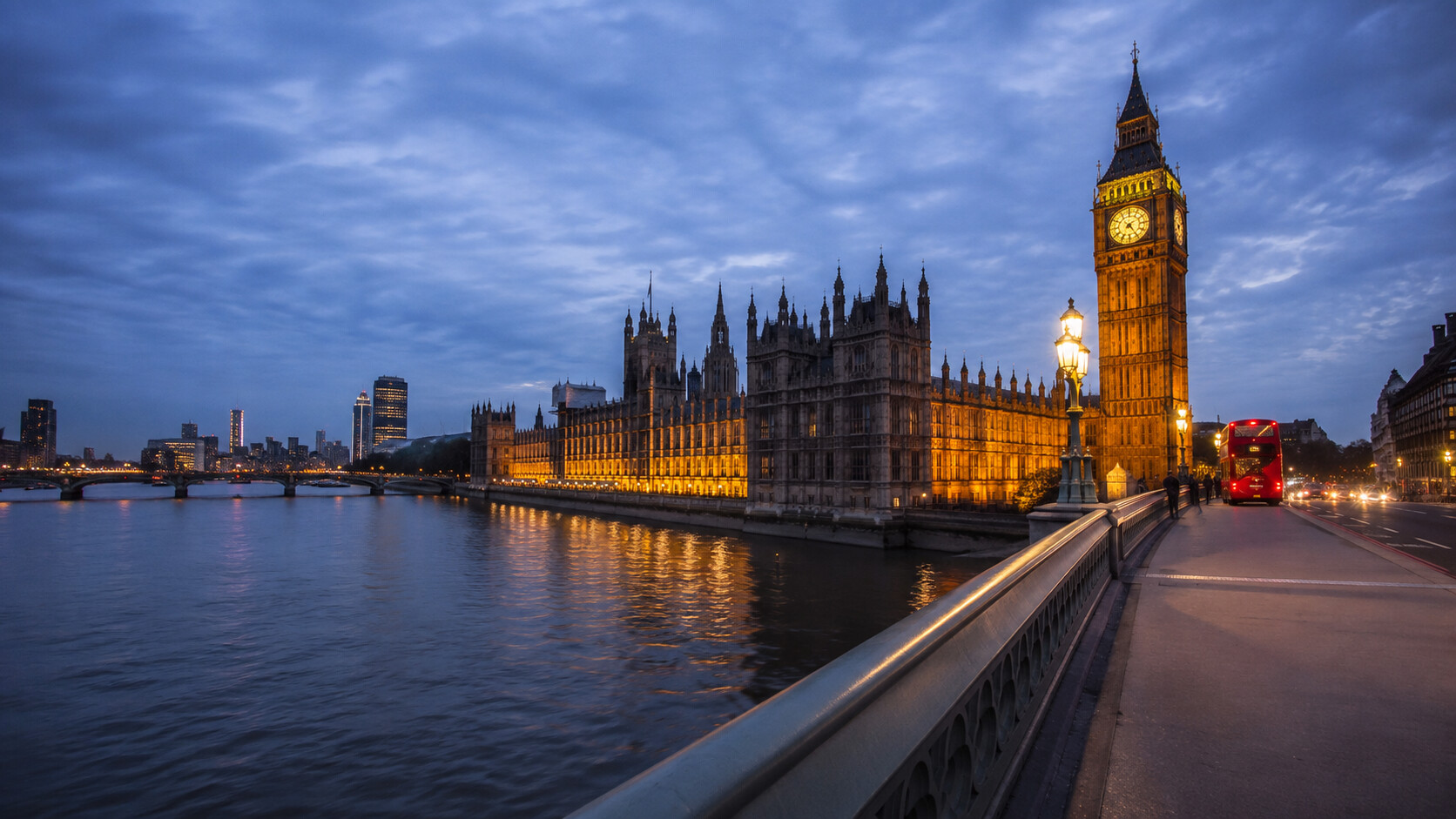
London destination landscape

London

Choose London for unmatched museums, neighbourhood variety and global connectivity when budget and travel time are flexible.

The verdict

Pick London over Paris when variety, English-language ease and global-city scale matter more than visual cohesion and lower transport friction.

London rewards clustering days by area; crossing the city repeatedly wastes time and raises transport costs.

Strong for

  • British Museum and Bloomsbury
  • Westminster to South Bank walk
  • Tate Modern and Borough Market
  • Greenwich day

Weaker for

  • Accommodation, eating out and central attractions can make ordinary days expensive.
  • Cross-city journeys are tiring when the itinerary is poorly clustered.
  • Major sights and transport corridors become heavily crowded.

What London actually is

Environment
A vast river city of historic cores, dense cultural districts, parks and strongly distinct neighbourhoods.
Energy
Fast, international and endlessly varied, with a high daily cost and long cross-city journeys.
Purpose
Excellent for culture-heavy city breaks, events, food and longer urban exploration.
Reality
You gain scale and choice but give up low costs, compactness and spontaneous cross-city movement.

What are you here for?

A trip with a return date: the main sights, the food and one or two areas done properly.

How long?

6 days

Your exact figure is kept as entered — never rounded or grouped into a band.

Examples:

What that costs

Estimated total for 6 days

Budget

$900 – $1,425

Mid-range

$1,950 – $3,375

Premium

$4,500 – $9,000

Priced using the daily pattern.

Visitor estimates cover accommodation, food, local transport and everyday activity. International airfare is excluded. The first days cost more than the settled days: arrival, transfers and orientation are front-loaded.

These are planning estimates from reviewed research, not live prices or availability.

Excluded: international airfare, visas, insurance, shopping and one-off personal costs.

Who it suits

  • Solo travellers
  • Couples
  • Groups of friends
  • Families with children — workable with planning

Who it may not suit

  • budget — Accommodation, eating out and central attractions can make ordinary days expensive.
  • short stays — Cross-city journeys are tiring when the itinerary is poorly clustered.
  • crowd-sensitive — Major sights and transport corridors become heavily crowded.

Why travellers come

  • Build a major culture day around a free world collection and nearby literary streets.
  • Links Parliament, the Thames and cultural venues without unnecessary transfers.
  • Combines modern art, river views and food in one compact cluster.
  • Adds maritime history, open space and a river journey away from the centre.

Timing and seasonality

May-June and September balance daylight and manageable crowds; winter is darker and peak summer is expensive.

How London repeats itself

  • Keep one flexible neighbourhood walk or meal window each day so weather, traffic and energy do not break the itinerary.
  • Use one low-pressure day and one longer cultural or nature anchor; British Museum and Bloomsbury is a useful first reference point.
  • Reprice accommodation and transport, check current local conditions, and reserve a low-logistics reset weekend.

What changes when you stay longer

One month or longer
Indicative accommodation, local transport, meals and ordinary activities; excludes international airfare, visas, insurance and refundable deposits.
One year or longer
Indicative accommodation, local transport, meals and ordinary activities; excludes international airfare, visas, insurance and refundable deposits.

Getting around

Use contactless payment on Underground, Elizabeth line, rail and buses; group each day by adjacent zones.

Where to stay

Westminster / South Bank

Immediate access to classic sights, river walks and major museums.

Use walking and public transport for nearby trips; plan transfers for outer districts.

Convenience, noise and value vary by exact street and peak demand.
Soho / Covent Garden

Central, busy and convenient for theatre, dining and late evenings.

Use walking and public transport for nearby trips; plan transfers for outer districts.

Convenience, noise and value vary by exact street and peak demand.

Shoreditch / Spitalfields

Creative East London energy with markets, bars and strong transport links.

Use walking and public transport for nearby trips; plan transfers for outer districts.

Convenience, noise and value vary by exact street and peak demand.

Honest trade-offs

  • Convenience, noise and value vary by exact street and peak demand.
  • Convenience, noise and value vary by exact street and peak demand.
  • Convenience, noise and value vary by exact street and peak demand.
  • Accommodation, eating out and central attractions can make ordinary days expensive.
  • Cross-city journeys are tiring when the itinerary is poorly clustered.
  • Major sights and transport corridors become heavily crowded.

Alternatives worth considering

International

  • Paris Choose Paris for greater visual cohesion and café rhythm.
  • Amsterdam Choose Amsterdam for a smaller, more cycleable cultural city.
  • New York City Choose New York for later energy and a more vertical urban experience.

Looking beyond United Kingdom?

These are outside United Kingdom. Each one is labelled with its own country; those without a page are shown as previews only.

  • Bali Indonesia · IslandPreview onlyIsland living with a bigger long-stay community — page not built yet.

Sources and freshness

Planning guidance checked 30 August 2026; verify prices, schedules, entry rules and local conditions before booking.

  • Visit London2026-08-30
  • Transport for London2026-08-30
  • Numbeo London2026-08-30

Daily ground budget

What one day on the ground costs here, per traveller, with international airfare excluded.