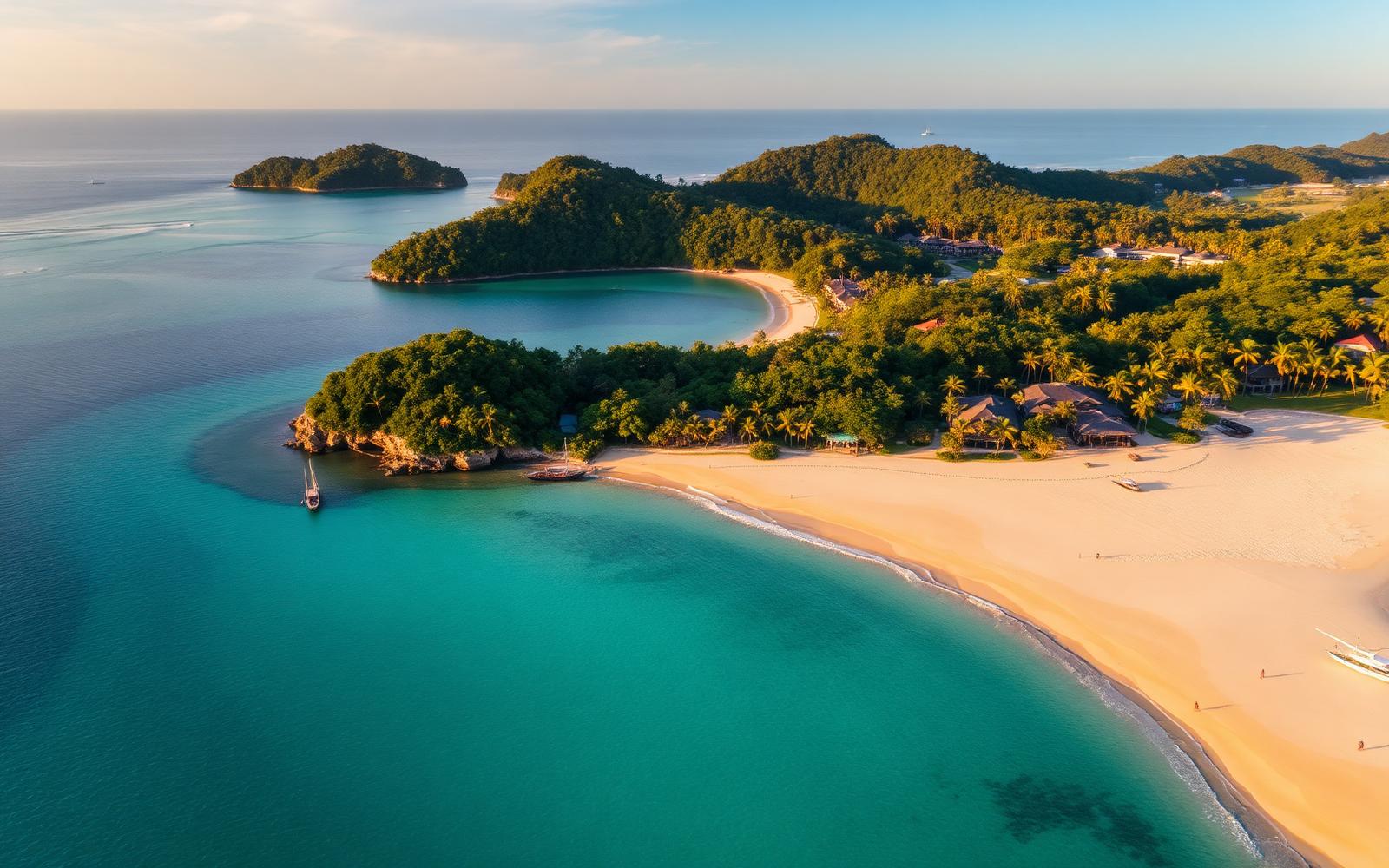
A west-coast Phuket beach with forested headlands at golden hour

Phuket

Thailand's largest and most developed island: a long Andaman west coast of very different beach districts, polished resort zones, working local neighbourhoods and a historic Sino-Portuguese town — reached by direct flights rather than a boat transfer.

The verdict

Phuket is strong for beach variety, water activities, resorts, nightlife, family options and easy flight access — and weaker for effortless island-wide movement, consistently low prices, compact walkability and a quiet local atmosphere in the busiest zones.

Area choice changes the trip more than the island does. Patong, Kata, Karon, Kamala, Bang Tao/Laguna, Rawai/Nai Harn, Mai Khao/Nai Yang and Phuket Old Town are not interchangeable, and the island is large enough that the wrong base costs you hours and transport money every day.

Strong for

  • Beach variety across very different districts
  • Water activities, diving and boat trips
  • Resorts, from village-scale to full estates
  • Nightlife, concentrated where you choose to be
  • Family holidays with real facilities and services
  • Direct flights instead of a boat transfer

Weaker for

  • Effortless movement across the island
  • Consistently low prices
  • Compact, car-free walkability
  • A quiet, local atmosphere in the busiest zones
  • Predictable sea conditions all year
  • An unspoilt, undeveloped island picture

What Phuket actually is

Environment
A large tropical island on the Andaman coast: west-facing beaches separated by forested headlands, hills and roads inland, and an historic town on the east side with no beach of its own.
Energy
It changes district by district: relentless in Patong, polished and calm in Bang Tao and Kamala, ordinary and local in Rawai and Old Town.
Purpose
Beaches and water, resorts and family holidays, nightlife where you want it, and the widest food and service choice of any Thai island.
Reality check
Cross-island journeys are slow, transport is a real cost, prices sit above mainland Thailand, and sea conditions decide more about a day on the water than rainfall does.

Decision guide

Beach variety, water activities and boat trips, resorts, family holidays, nightlife, and an easy long-haul arrival with the widest service and food choice of any Thai island.

A large tropical island on the Andaman coast: west-facing beaches separated by forested headlands, an inland spine of hills and roads, and an historic town on the east side away from the sand.

Choosing an area matters more here than choosing the island. Cross-island journeys are slow, transport costs add up, prices sit above mainland Thailand, and sea conditions — not just rainfall — decide what is safe on the water.

Choose this if

  • You are travelling solo, couples, friends and families.
  • The pace matches you: It ranges within a single island: Patong is loud and relentless, Bang Tao and Kamala are polished and calm, Rawai and Old Town run on everyday local rhythms.
  • You are travelling with children.
  • Your dates fall in January, February, March and December.

Think twice if

  • The airport sits in the north, far from most southern and western beach areas, and cross-island journeys are slow — transport can become one of the larger costs of the trip.
  • Sea state, currents and rip risk matter more than rainfall totals — swim between flags, never ignore a red flag, and check current warnings before booking a boat day.
  • Phuket is consistently more expensive than Bangkok or Chiang Mai, and resort zones price food, drinks and transport well above local rates.
  • Scooters look like the obvious answer to the island's distances, but they are not automatically suitable: a valid licence and motorcycle endorsement, a helmet, and insurance that actually covers you are the minimum, on hilly roads with mixed traffic.
  • If you picture a small, quiet, walkable island, this is not it — the busiest zones are developed, crowded and built for tourism.
  • Your dates are fixed in September, the weakest months on record.

Getting there and getting around

  • The island is large and fragmented: walking works inside a chosen district, not across Phuket. The Smart Bus links the airport with west-coast destinations including Patong, Karon, Kata and Rawai, but it does not make every journey easy, and taxis, ride-hailing or private transfers become a real line in the budget.
  • An international airport in the north of the island with direct regional and long-haul flights, plus road links across the bridge to Phang Nga and Krabi and ferries to nearby islands.
  • Walkability: low. Public transport: partial.
  • Flight time and airfare depend on the city you actually start from, not on a default origin.

Who this suits

  • Suits solo, couples, friends and families.
  • some walking required
  • works well with children

Worth comparing with

  • A coastal mainland base with limestone scenery and easy boat access, at a smaller scale than Phuket.
  • A Gulf-coast island with its own airport and a different rain calendar from the Andaman side.
  • A quieter, lower-rise island for slow beach days rather than nightlife or resort density.
  • A mainland coastal city reachable by road from Bangkok, with a calmer family and long-stay rhythm.
  • A Gulf island known for a social and wellness-leaning scene on a much smaller footprint.
How MTC reached this assessment

This assessment reads the governed record only: decision identity, traveller fit, season values, mobility, recorded drawbacks and the duration-aware cost model (6 cited sources).

Overall confidence recorded for this place: medium. No ratings, reviews or booking inventory are used.

Data last checked: 2026-08-29

Scheduled for recheck after 2027-08-29.

Find your trip in a few answers

Answer a short set of questions and continue in the full tool — nothing here is a price or a recommendation.

Your answers stay editable in the full tool.

What are you here for?

A trip with a return date: one base, a few beaches, a boat day or two and evenings out.

How long?

5 days

Your exact figure is kept as entered — never rounded or grouped into a band.

Examples:

What that costs

Estimated total for 5 days

Budget

$297 – $513

Mid-range

$648 – $1,188

Premium

$1,620 – $3,510

Priced using the daily pattern.

Visitor costs: per person, per day, on the ground — accommodation on shared or double-occupancy assumptions where appropriate, food, local transport and ordinary activities. The first two days include a short-stay and arrival premium, mostly the airport transfer and first-night room rate.

Visitor bands assume roughly US$55–95 a day on a budget, US$120–220 mid-range and US$300–650 premium, per person, above Bangkok and Chiang Mai levels. Boat trips, diving, premium beach clubs, private transfers and luxury resorts push totals higher. Anchors, not promises.

Excludes international airfare, visas and paperwork, insurance, personal shopping and anything personal. Planning estimates only — never a live quote or an availability claim.

Who it suits

  • Travellers who want a choice of beaches rather than one bay
  • Anyone planning boat days, diving or watersports
  • Families who need real facilities, services and medical access
  • Resort holidays, from village scale to full estates
  • Travellers who want nightlife available but avoidable
  • Anyone who would rather fly in directly than transfer by boat

Who it may not suit

  • Travellers picturing a small, quiet, undeveloped island
  • Anyone on a tight budget expecting mainland prices
  • People who want to reach everything on foot
  • Visitors unwilling to budget for taxis, rides or a vehicle
  • Swimmers who will not adjust plans to sea state and beach flags

Why people travel to Phuket

  • A long west coast of genuinely different beaches, bay by bay.
  • Boat trips to limestone bays and offshore islands.
  • Diving, snorkelling and watersports with established infrastructure.
  • Resorts and beach clubs at every level, concentrated in known zones.
  • Nightlife you can walk to in Patong — or avoid entirely elsewhere.
  • Phuket Old Town: Sino-Portuguese streets, cafés and local food.
  • Direct regional and long-haul flights straight to the island.
  • Family facilities, healthcare and services beyond most Thai islands.

Timing and seasonality

December to March is generally the driest and easiest beach period, with calmer seas and the highest demand and prices. April is a hot transition month with rising rain variability. May to October is the southwest monsoon: wetter, greener, cheaper, with a rougher west-coast sea rather than constant rain. November is transitional and can go either way. It does not rain all day every day in the monsoon — but sea state, currents, boat operations and swimming safety often matter more than rainfall totals, so obey beach red flags and check current Thai Meteorological Department warnings.

Across the twelve months

December – March
Generally the driest and easiest beach stretch, with calmer west-coast seas. It is also the busiest and most expensive, and popular beaches fill early in the day.
April
Hot and transitional, with rain becoming more variable towards the end of the month. Songkran falls in April and changes the mood of whole districts for days.
May – October
The southwest monsoon: wetter and greener, with lower prices and fewer people — but a rougher west-coast sea, more red-flag days and some boat trips curtailed. Showers are common; all-day rain is not the rule.
November
A transitional month that can lean either way: often improving seas and clearing skies, but not a guarantee. Prices start climbing towards the high season.

A typical rhythm: day, weekdays and weekends

A typical day
Mornings are for the beach, boats and activities before the heat and the afternoon weather build. Midday slows down, moves indoors or into the shade. Evenings centre on dinner, sunset on the west coast, and then markets or nightlife depending entirely on which district you are in.
Weekdays
Local and long-stay districts such as Rawai and Old Town run an easier weekday rhythm: school and work traffic in the morning, quiet beaches, normal prices. Resort zones stay active regardless of the day.
Weekends
Weekends bring the Old Town street market, heavier traffic on the beach roads, more domestic visitors from the mainland, and busier nightlife. Popular bays and viewpoints fill earlier than on a weekday.

These are rhythms of the day and week — they are not trip lengths, and they do not change with how long you stay.

What changes when you stay longer

One month or longer
From a month, the decisions change: which neighbourhood you actually live in, a transport routine you can repeat daily, groceries and cooking instead of eating out every meal, somewhere to work if you need it, laundry, healthcare access, electricity and air-conditioning bills, lease terms and deposits, and how far you really are from a beach. Not every long-stayer is a digital nomad — retirees, families and people on work assignments have very different priorities.
One year or longer
From a year, one-off costs and admin become material: deposits and agency fees, furnishing, health insurance, immigration and paperwork, a vehicle or long-term hire, and a lease that may renew at high-season rates. These are planning cautions, not legal advice — verify current requirements yourself.

Getting around

Phuket is large and fragmented, and cross-island journeys can be slow. The airport is in the north, far from many southern and western beach areas. The Smart Bus serves the airport and west-coast destinations including Patong, Karon, Kata and Rawai, but it does not make every journey effortless. Taxis, ride-hailing and private transfers work well and can become a meaningful part of the budget. Walking usually works within a chosen district, not across the island. Scooters are everywhere, but they are not automatically suitable: a valid licence with a motorcycle entitlement, a helmet, and insurance that genuinely covers you are the minimum on hilly roads with mixed traffic.

An international airport in the north of the island with direct regional and long-haul flights, plus road links across the bridge to Phang Nga and Krabi and ferries to nearby islands.

Where to stay, by area

Patong

The island's dense entertainment centre: a wide beach backed by hotels, malls, bars and a nightlife strip that runs late.

The best-served point on the island for buses, taxis and ride-hailing, and walkable within the strip.

Best for: nightlife and maximum convenience in one walkable area. Strength: everything open, everything reachable. Watch out for: crowds, noise, traffic and a heavily commercial, tourist-facing feel.

Kata

A balanced beach base south of Patong: a good swimming bay, plenty of dining, surf in the wetter months and a calmer evening than the nightlife strip.

On the west-coast bus route and easy for rides; walkable within the beach and its main road.

Best for: a first Phuket trip that wants beach and dining without Patong. Strength: the easiest all-round balance on the island. Watch out for: it is still developed and busy in high season, and sea conditions vary.

Karon

A very long beach with more room between people, a wide low-rise strip and a quieter evening than its neighbours.

Served by the west-coast bus route, but the district is spread out — you will walk or ride along it.

Best for: beach time with breathing room. Strength: length of sand and a calmer pace near Patong. Watch out for: it is spread out, so nothing is quite at the door, and the sea can be rough in the monsoon months.

Kamala

A calmer village-scale beach north of Patong with an upmarket lean, families, and evenings built around dinner rather than bars.

Reachable by road along the west coast; you will use rides or your own vehicle for most trips out.

Best for: families and couples who want quiet without isolation. Strength: calm with real dining nearby. Watch out for: limited nightlife and a short walkable core.

Bang Tao & Laguna

The island's most polished stretch: a long north-west beach lined with large resorts, beach clubs, villas and manicured resort estates.

Designed around resort shuttles and private cars; distances inside the area itself are real.

Best for: a polished resort holiday with beach clubs at hand. Strength: the highest standard of facilities on the island. Watch out for: high prices, a self-contained bubble and spread-out geography that needs a vehicle.

Rawai & Nai Harn

The southern end where long-stayers and resident families live: seafood at Rawai, everyday shops and gyms, and the swimming beach at Nai Harn a short ride away.

Practically vehicle-dependent day to day; the airport and the north of the island are a long journey away.

Best for: months at a time with a local rhythm and southern access. Strength: better value and a real neighbourhood. Watch out for: transport dependence, and Rawai's own shoreline is not the main swimming beach — Nai Harn is.

Mai Khao & Nai Yang

The quiet north: long undeveloped sand backed by casuarina trees and national-park shoreline, with resorts spaced far apart.

Minutes from the airport, but far from the rest of the island — nearly every outing is a drive.

Best for: quiet, a short transfer, or a first and last night around a flight. Strength: space, calm and easy airport access. Watch out for: isolation from the island's dining, nightlife and beach variety.

Phuket Old Town

Sino-Portuguese shophouse streets on the east side: cafés, local food, small museums, galleries and a weekend street market.

The most walkable district on the island and the main road hub — but every beach is a journey from here.

Best for: culture, food and value on foot. Strength: the most character and the lowest prices per night. Watch out for: no beach at all, and daily transport to the coast.
Honest trade-offs

  • The beach variety that makes Phuket worth it is the same size that makes it slow to cross.
  • The polished resort zones cost the most and feel the least local.
  • Patong gives you everything at hand, and the noise and crowds that come with it.
  • Old Town is the best value and the most character — and has no beach.
  • The driest, calmest months are also the busiest and the most expensive.
  • Cheap monsoon rates come with rougher seas and more cancelled boat days.
  • The airport sits in the north, far from most southern and western beach areas, and cross-island journeys are slow — transport can become one of the larger costs of the trip.
  • Sea state, currents and rip risk matter more than rainfall totals — swim between flags, never ignore a red flag, and check current warnings before booking a boat day.
  • Phuket is consistently more expensive than Bangkok or Chiang Mai, and resort zones price food, drinks and transport well above local rates.
  • Scooters look like the obvious answer to the island's distances, but they are not automatically suitable: a valid licence and motorcycle endorsement, a helmet, and insurance that actually covers you are the minimum, on hilly roads with mixed traffic.
  • If you picture a small, quiet, walkable island, this is not it — the busiest zones are developed, crowded and built for tourism.

Similar places in Thailand

A short list of relevant Thai places, not a complete inventory of Thailand. Cards without a page are previews, not links.

Krabi / Ao Nang

Province and coastal basePreview — no page yet

You gain: Limestone scenery, easy boat access and a smaller, cheaper base on the mainland.

You give up: Beach variety, direct long-haul flights and Phuket's breadth of dining and nightlife.

Koh Samui

IslandPreview — no page yet

You gain: Its own airport, a resort island feel and a different rain calendar from the Andaman coast.

You give up: Scale, and the number of distinct beach districts you can choose between.

Koh Lanta

IslandPreview — no page yet

You gain: A quieter, lower-rise island and slow beach days.

You give up: Nightlife, resort density, medical and service depth, and a boat or road transfer to arrive.

Hua Hin

Coastal city and resort townPreview — no page yet

You gain: Road access from Bangkok, a calmer family rhythm and easier long-stay logistics.

You give up: Andaman-style water, island boat trips and the clearest beach scenery.

Koh Phangan

IslandPreview — no page yet

You gain: A social and wellness-leaning scene on a much smaller island footprint.

You give up: Direct flights, family-resort breadth and reliable cross-island transport.

Similar places in Thailand

Explore more places in Thailand

Looking beyond Thailand?

These are outside Thailand. Each one is labelled with its own country; those without a page are shown as previews only.

  • Bali Indonesia · IslandPreview onlyIsland living with a bigger long-stay community — page not built yet.

Sources and freshness

Sourced claims cite Tourism Authority of Thailand Phuket destination information, TAT seasonal and national-park guidance, the Thai Meteorological Department for weather and wave cautions, and official Phuket Smart Bus service information. Cost anchors use Budget Your Trip's Phuket traveller-spend benchmarks — crowd-sourced historical traveller data, not official statistics — and current rental listing benchmarks, which are variable market evidence rather than fixed rates. Everything else is an editorial estimate marked as such in the record. Retrieved and updated August 2026; checked 2026-08-29, due for recheck 2027-08-29.

  • Tourism Authority of Thailand — Phuket destination information2026-08-29
  • Tourism Authority of Thailand — seasonal and national-park guidance2026-08-29
  • Thai Meteorological Department — weather, marine and wave warnings2026-08-29
  • Phuket Smart Bus — official airport and west-coast service information2026-08-29
  • Budget Your Trip — Phuket traveller-spend benchmarks (crowd-sourced historical traveller data)2026-08-29
  • Current Phuket rental and long-stay listing benchmarks (variable market evidence, not a fixed rate)2026-08-29

Daily ground budget

What one day on the ground costs here, per traveller, with international airfare excluded.